
Our Location
304 North Cardinal St.
Dorchester Center, MA 02124

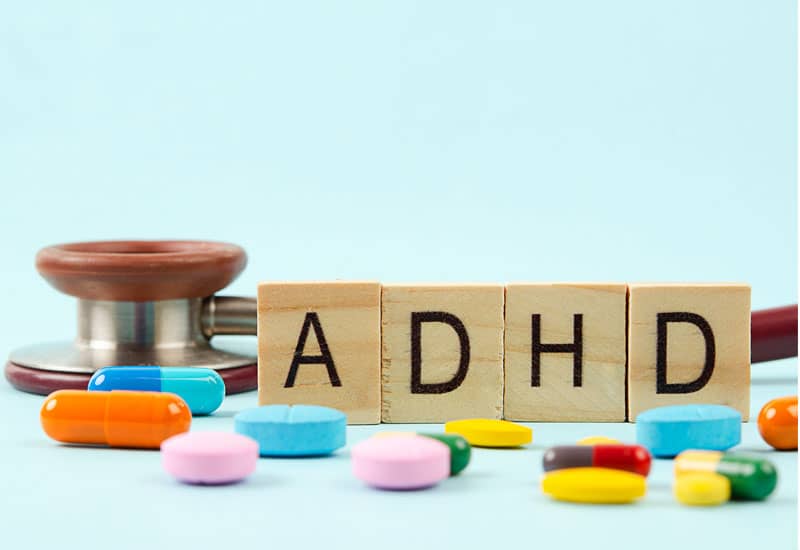
Many people receiving ADHD treatment eventually notice Elvanse wearing off during the afternoon or evening. Elvanse wearing off refers to the period when medication levels begin to decline and symptoms such as reduced concentration, fatigue, irritability, and decreased motivation start to return. While Elvanse remains one of the most commonly prescribed ADHD medications in the United Kingdom, understanding how to manage these changes helps patients maintain better focus and productivity throughout the day.
Whether you are researching ADHD medication UK options, exploring adult ADHD treatment UK services, or preparing for an ADHD assessment, understanding why Elvanse wears off provides an important first step toward improving symptom control.
Elvanse contains lisdexamfetamine, a stimulant medication prescribed to help manage Attention Deficit Hyperactivity Disorder. The medication works by increasing dopamine and norepinephrine activity in the brain, helping improve focus, attention, and impulse control.
As medication levels gradually decrease later in the day, some individuals experience a noticeable decline in concentration and mental energy. Common symptoms include:
Not every patient experiences these effects. Nevertheless, recognising the signs helps support better ADHD management.
Several factors influence how long Elvanse remains effective.
First, medication timing plays an important role. Taking Elvanse later in the morning often affects how symptom control is maintained throughout the day.
Second, poor nutrition frequently contributes to energy fluctuations. Because stimulant medications often reduce appetite, many patients consume fewer calories than their body requires. As a result, concentration and energy levels may decline more quickly.
Third, sleep quality has a direct impact on ADHD symptom management. Individuals who regularly experience poor sleep often report stronger afternoon fatigue and reduced medication effectiveness.
According to NHS ADHD guidance, healthy sleep habits and structured daily routines contribute significantly to successful treatment outcomes.
One of the most effective ways to reduce problems associated with Elvanse wearing off involves reviewing treatment plans with a healthcare professional.
Dosage requirements differ from person to person. A lower dose may not provide sufficient symptom control, while a higher dose may increase unwanted side effects.
Common Elvanse strengths include:
Patients should never adjust medication independently. Instead, they should discuss concerns with their prescribing clinician.
Individuals seeking ADHD treatment London, ADHD specialist Birmingham, ADHD treatment Manchester, or ADHD clinics Leeds often receive regular medication reviews to ensure treatment remains effective.
Daily habits play a significant role in how ADHD medication performs.
A protein-rich breakfast often supports more stable energy levels throughout the day. Eggs, yoghurt, nuts, and lean protein sources remain popular options among ADHD patients.
Additionally, maintaining hydration supports cognitive performance and concentration. Dehydration frequently contributes to fatigue and reduced mental clarity.
Balanced meals consumed at regular intervals also help prevent sudden drops in energy levels. Consequently, many patients experience more consistent symptom control when they maintain healthy eating habits.
Sleep remains one of the most overlooked factors in ADHD management.
Patients who consistently obtain adequate sleep often report better concentration, improved mood, and fewer problems with medication wearing off too early.
To support better sleep quality:
Many healthcare providers consider sleep management an essential component of adult ADHD treatment UK programmes.
Some individuals experience side effects that make afternoon symptoms feel more noticeable.
Common Elvanse side effects include:
Although these side effects often improve with time, patients should discuss persistent concerns with their healthcare provider. Early intervention often helps improve treatment outcomes.
Across England, Scotland, Wales, and Northern Ireland, healthcare professionals monitor medication effectiveness and side effects as part of ongoing ADHD treatment.
Patients frequently search for:
Both NHS and private healthcare services provide assessment, diagnosis, treatment planning, and medication monitoring.
Several simple strategies help many patients stay productive even as medication effects begin to decline:
These habits support concentration and help reduce the impact of Elvanse wearing off.
Experiencing Elvanse wearing off does not necessarily indicate a problem with treatment. In many cases, medication timing, sleep quality, hydration, nutrition, and lifestyle habits all contribute to daily symptom management.
For individuals seeking ADHD medication UK information or adult ADHD treatment UK services, understanding these factors helps support better focus, improved productivity, and more consistent treatment outcomes. By working closely with healthcare professionals and maintaining healthy daily routines, many patients successfully manage ADHD symptoms throughout the day.
