
Our Location
304 North Cardinal St.
Dorchester Center, MA 02124

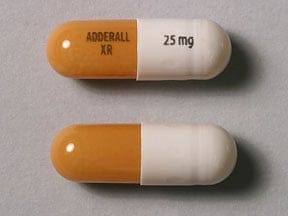
Adderall and brain function are closely connected because this ADHD medication directly affects the neurotransmitters responsible for attention, concentration, and mental performance. Many individuals searching for ADHD medication UK information want to understand how Adderall influences the brain and why healthcare professionals prescribe stimulant treatment for attention deficit disorders.
Although ADHD affects people differently, many patients experience difficulties with focus, organisation, memory, and impulse control. Adderall works by targeting specific brain chemicals involved in these functions, helping many individuals improve daily performance and maintain attention throughout the day.
Understanding the science behind this medication allows patients to approach treatment with greater confidence and realistic expectations.
ADHD is linked to differences in the way certain areas of the brain process information. In many cases, the communication between nerve cells involved in attention and self-regulation operates less efficiently.
Two important neurotransmitters play a central role:
• Dopamine
• Norepinephrine
These chemical messengers help regulate focus, motivation, learning, memory, and behavioural control.
When these systems function below optimal levels, individuals often struggle to stay organised, complete tasks, or maintain concentration for extended periods.
This is where stimulant medications such as Adderall become relevant within ADHD treatment plans.
One of the primary effects of Adderall involves improving communication within brain networks associated with attention and executive functioning.
The medication increases the availability of dopamine and norepinephrine. As these neurotransmitters become more active, messages travel more efficiently between brain cells.
This process often supports:
• Improved concentration
• Better task management
• Enhanced attention span
• Reduced distractibility
• Greater productivity
Rather than creating new abilities, Adderall helps many ADHD patients access cognitive skills more consistently.
For individuals diagnosed with ADHD, this improvement often translates into better performance at work, university, school, and within daily responsibilities.
The prefrontal cortex is one of the most important brain regions affected by ADHD medication.
This area controls:
• Planning
• Decision-making
• Working memory
• Emotional regulation
• Self-control
Research suggests that ADHD symptoms often originate from reduced activity within these executive-function networks.
When Adderall increases neurotransmitter activity, the prefrontal cortex becomes more efficient at processing information and regulating behaviour.
Many patients report feeling more organised and capable of managing complex tasks after beginning treatment.
One reason Adderall remains widely discussed involves its ability to improve attention control.
People with ADHD often experience difficulty filtering distractions. Background noise, unrelated thoughts, and external interruptions frequently interfere with concentration.
By strengthening attention-related brain pathways, Adderall helps many patients remain engaged with important tasks for longer periods.
Benefits often reported include:
• Improved reading comprehension
• Better concentration during meetings
• Greater academic focus
• Enhanced productivity
• Improved time management
These changes often contribute to increased confidence and reduced frustration in everyday situations.
The relationship between Adderall and cognitive performance continues to attract attention among healthcare professionals and researchers.
For individuals diagnosed with ADHD, treatment often improves several areas of cognitive functioning:
• Working memory
• Attention regulation
• Task completion
• Mental organisation
• Information processing
Many patients find that activities requiring sustained concentration become easier to manage.
This does not mean the medication increases intelligence. Instead, treatment helps address barriers that previously interfered with effective cognitive performance.
As symptom control improves, individuals often gain greater access to their existing abilities and strengths.
The experience varies between individuals, although many patients report similar early changes.
Positive effects frequently include:
• Increased focus
• Better organisation
• Improved concentration
• Reduced impulsive behaviour
• Stronger task completion skills
Some individuals also experience temporary side effects while adjusting to treatment.
Common examples include:
• Reduced appetite
• Difficulty sleeping
• Dry mouth
• Mild nervousness
• Increased heart rate
Healthcare providers monitor treatment closely to ensure patients receive the greatest benefit while maintaining safety.
Successful ADHD treatment extends beyond medication alone.
Across England, Scotland, Wales, and Northern Ireland, healthcare professionals often recommend a broader management approach that combines medication with practical support strategies.
These may include:
• Behavioural interventions
• Educational support
• Workplace adjustments
• Coaching programmes
• Healthy lifestyle habits
Patients in London, Manchester, Birmingham, Liverpool, Leeds, Glasgow, Bristol, Sheffield, Newcastle, Nottingham, Cardiff, Belfast, Southampton, Leicester, and other UK cities increasingly seek personalised treatment plans tailored to their individual needs.
Medication often serves as one part of a comprehensive approach to long-term ADHD management.
Before beginning treatment, patients should undergo a professional assessment to determine whether stimulant medication is appropriate.
Healthcare providers typically review:
• Medical history
• Existing medications
• Cardiovascular health
• Mental health history
This assessment helps identify the most suitable treatment strategy while minimising potential risks.
Patients should always follow professional dosage instructions and attend scheduled reviews throughout treatment.
Adderall and brain function remain closely linked because the medication directly influences the neurotransmitter systems involved in attention, focus, motivation, and executive functioning.
For many individuals living with ADHD, treatment helps improve concentration, organisation, and daily productivity. By supporting communication between key brain regions, Adderall contributes to more consistent cognitive performance and better symptom management.
When prescribed appropriately and monitored by qualified healthcare professionals, Adderall continues to play an important role in ADHD treatment across the United Kingdom. Patients who understand how the medication works often feel better prepared to make informed decisions about their care and long-term treatment goals.
