
Our Location
304 North Cardinal St.
Dorchester Center, MA 02124

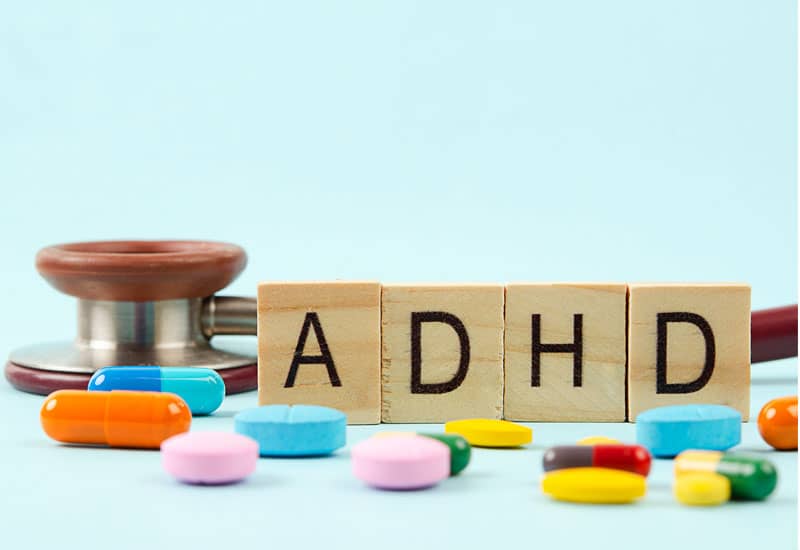
ADHD medication for adults UK has become an important topic as more adults receive an assessment and begin treatment for attention deficit hyperactivity disorder. Many people spend years living with poor concentration, impulsive behaviour, forgetfulness, and difficulty organising daily responsibilities before receiving a diagnosis. Following an assessment, medication often forms one part of a wider treatment plan alongside behavioural support, healthy routines, and regular clinical reviews. Whether treatment begins through the NHS or a private ADHD clinic, understanding available medicines helps adults make informed decisions with their healthcare provider.
Why More Adults in the UK Are Being Diagnosed with ADHD
Adult ADHD recognition has increased across England, Scotland, Wales, and Northern Ireland. Greater awareness among healthcare professionals has encouraged more referrals for specialist assessment.
Many adults seek help after struggling with:
• Poor concentration at work
• Difficulty managing finances
• Missing deadlines
• Disorganisation
• Restlessness
• Emotional impulsivity
• Relationship difficulties
Receiving a diagnosis often explains symptoms that have existed since childhood. Once diagnosed, a specialist psychiatrist or qualified ADHD clinician develops an individual treatment plan based on symptoms, medical history, and lifestyle.
How ADHD Medication Works for Adults
ADHD medication for adults UK focuses on improving communication between brain chemicals involved in attention and executive functioning. Treatment aims to improve focus, reduce impulsive behaviour, and increase daily productivity.
Common medicines prescribed across the UK include:
• Methylphenidate
• Lisdexamfetamine
• Dexamfetamine
• Atomoxetine
• Guanfacine in selected situations
Some medicines work rapidly after the first few doses, while non-stimulant treatment often requires several weeks before full benefit appears.
NHS and Private ADHD Treatment in the UK
Adults usually begin treatment through one of two routes.
The NHS pathway normally starts with a GP referral to an adult ADHD specialist. Due to increasing demand, waiting times vary between regions and often extend for several months.
Private ADHD clinics offer assessments within shorter timeframes. Following diagnosis, patients receive medication titration under specialist supervision. Once treatment becomes stable, many patients enter a shared care agreement between their specialist and GP, allowing ongoing prescriptions through primary care where appropriate.
Private treatment often includes:
• Initial psychiatric assessment
• Medication titration
• Follow-up appointments
• Prescription reviews
• Ongoing monitoring
Choosing the Right ADHD Medication
Treatment decisions depend on several clinical factors rather than selecting the strongest medicine.
Healthcare professionals evaluate:
• Symptom severity
• Existing medical conditions
• Blood pressure
• Heart health
• Previous response to medication
• Lifestyle requirements
Adults working long shifts often benefit from extended-release medicines, while others respond better to shorter-acting options.
Medication adjustments during the first few months help identify the lowest effective dose while limiting unwanted effects.
Benefits Adults Often Notice During Treatment
When treatment is carefully monitored, many adults report improvements across several areas of daily life.
Possible improvements include:
• Better concentration
• Improved organisation
• Greater productivity
• Stronger time management
• Reduced impulsive decisions
• Better emotional regulation
• Improved workplace performance
Medication works best alongside structured routines, regular sleep, balanced nutrition, and behavioural strategies.
Possible Side Effects and Safety Monitoring
Like every prescription medicine, ADHD medication carries possible side effects. Most remain mild during early treatment and improve after dose adjustments.
Common side effects include:
• Reduced appetite
• Dry mouth
• Difficulty sleeping
• Mild headaches
• Faster heartbeat
• Anxiety
• Weight changes
Healthcare professionals perform routine reviews throughout treatment. Blood pressure, pulse, weight, and symptom control receive regular monitoring, particularly during dose adjustments.
Patients should never change doses without medical advice.
Cost of ADHD Medication in the UK
The cost of ADHD medication depends on whether treatment occurs through the NHS or private healthcare.
NHS patients generally pay the standard NHS prescription charge in England unless they qualify for free prescriptions. Scotland, Wales, and Northern Ireland operate different prescription policies.
Private patients usually pay separately for:
• Specialist consultations
• Medication titration
• Prescription fees
• Pharmacy dispensing costs
Generic medicines often reduce long-term treatment expenses compared with branded alternatives.
Living Successfully with Adult ADHD
Medication supports symptom control, although long-term success usually involves additional strategies.
Helpful lifestyle habits include:
• Maintaining consistent sleep schedules
• Using digital calendars
• Breaking large tasks into smaller steps
• Exercising regularly
• Eating balanced meals
• Attending follow-up appointments
Many adults also benefit from ADHD coaching, cognitive behavioural therapy, workplace adjustments, and family support.
These combined approaches often produce stronger long-term outcomes than medication alone.
Why Professional Assessment Matters
ADHD shares symptoms with anxiety disorders, depression, thyroid disease, sleep disorders, and several neurological conditions. Accurate diagnosis helps ensure the most suitable treatment plan.
Qualified psychiatrists and specialist ADHD clinicians follow recognised UK diagnostic standards before recommending prescription medication.
Self-diagnosis or obtaining prescription medicines without proper medical assessment places health at unnecessary risk.
For trusted clinical guidance, readers may also consult:
National Institute for Health and Care Excellence (NICE)
https://www.nice.org.uk/guidance/ng87
NHS Adult ADHD Information
https://www.nhs.uk/conditions/attention-deficit-hyperactivity-disorder-adhd/
https://en.wikipedia.org/wiki/Management_of_attention_deficit_hyperactivity_disorder#Medications
https://www.ema.europa.eu/en/medicines/human/shortages/adhd-medicines
Frequently Asked Questions
Can adults receive ADHD medication through the NHS?
Yes. Adults diagnosed by an appropriate specialist often receive treatment through NHS services, although waiting times differ between regions.
Which ADHD medicine is prescribed most often for adults in the UK?
Methylphenidate and lisdexamfetamine remain among the most frequently prescribed first-line stimulant treatments.
Is private ADHD treatment available throughout the UK?
Yes. Many regulated private clinics provide assessments, medication titration, and follow-up care across England, Scotland, Wales, and Northern Ireland.
How long does ADHD medication take to work?
Stimulant medicines often begin working within hours, while non-stimulant medicines such as atomoxetine usually require several weeks.
Will adults need medication permanently?
Treatment varies between individuals. Some continue long-term therapy, while others undergo regular medication reviews to determine ongoing benefit.
Conclusion
ADHD medication for adults UK plays an important role in helping many people improve concentration, organisation, and day-to-day functioning. Successful treatment starts with an accurate diagnosis, careful dose adjustments, and regular monitoring by qualified healthcare professionals. Whether care begins through the NHS or a private ADHD clinic, combining medication with healthy routines and behavioural support often produces the strongest long-term results. Working closely with experienced clinicians helps adults receive safe, effective treatment tailored to their individual needs.
